Choose the operation you need to control. Each solution connects the right tracker, sensor and dashboard report to a real business problem—fuel loss, unverified work, unsafe loading, cargo risk, downtime or weak accountability.
Agricultural Machinery Telemetry

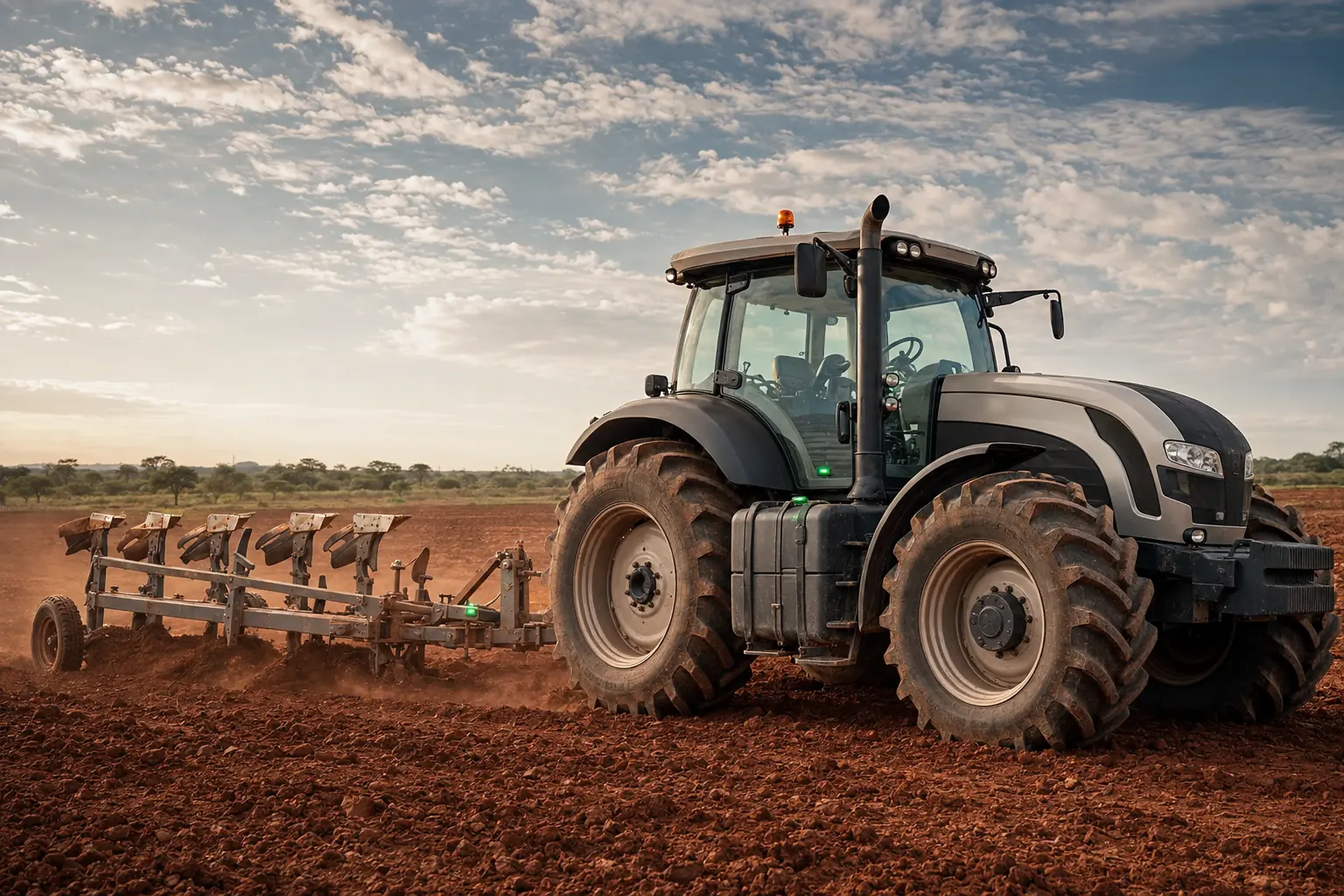
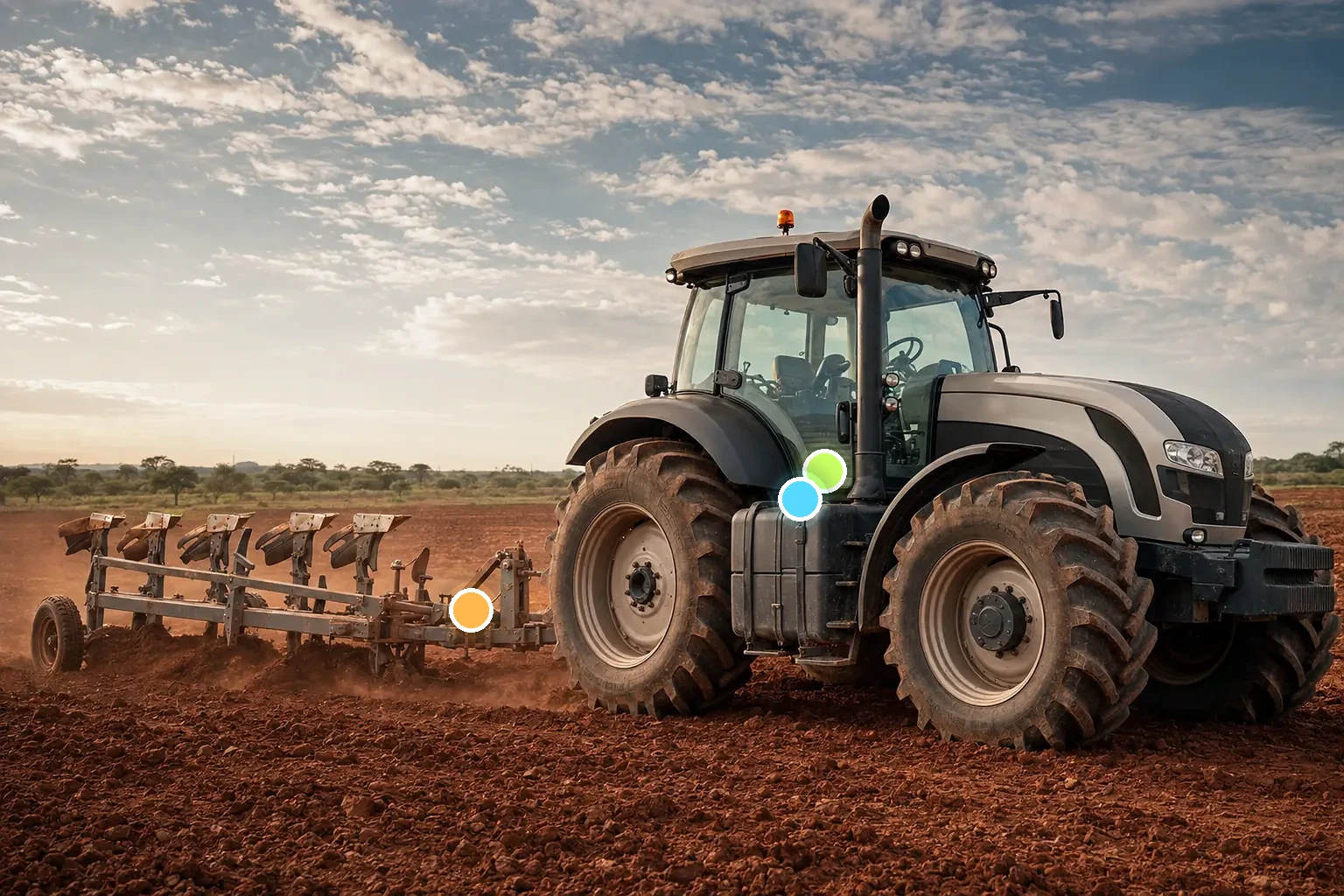
Farm owners may know how much fuel was purchased but still be unable to prove what that fuel produced. Paper logs cannot reliably confirm hectares ploughed, field boundaries, actual working time, excessive idling or unauthorised off-field use—leaving productivity and fuel loss open to guesswork.
We pair GPS tracking with precision fuel and implement-activity sensing. Field maps, geofences and automated reports show the area worked, where the tractor operated, how long it worked and how much fuel the operation consumed—giving the owner an auditable fuel-per-hectare record.
Yield Logistics & Cost Control

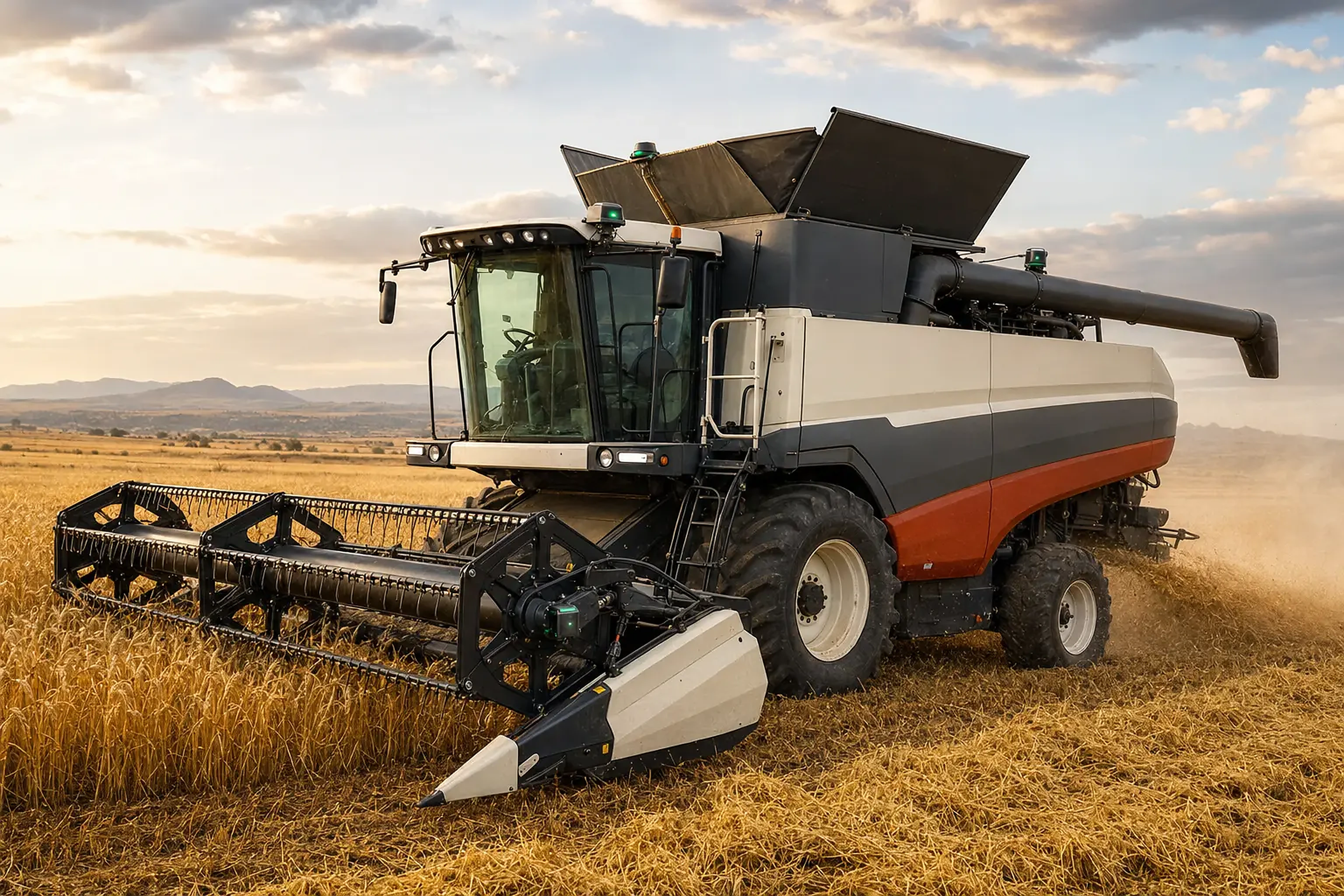
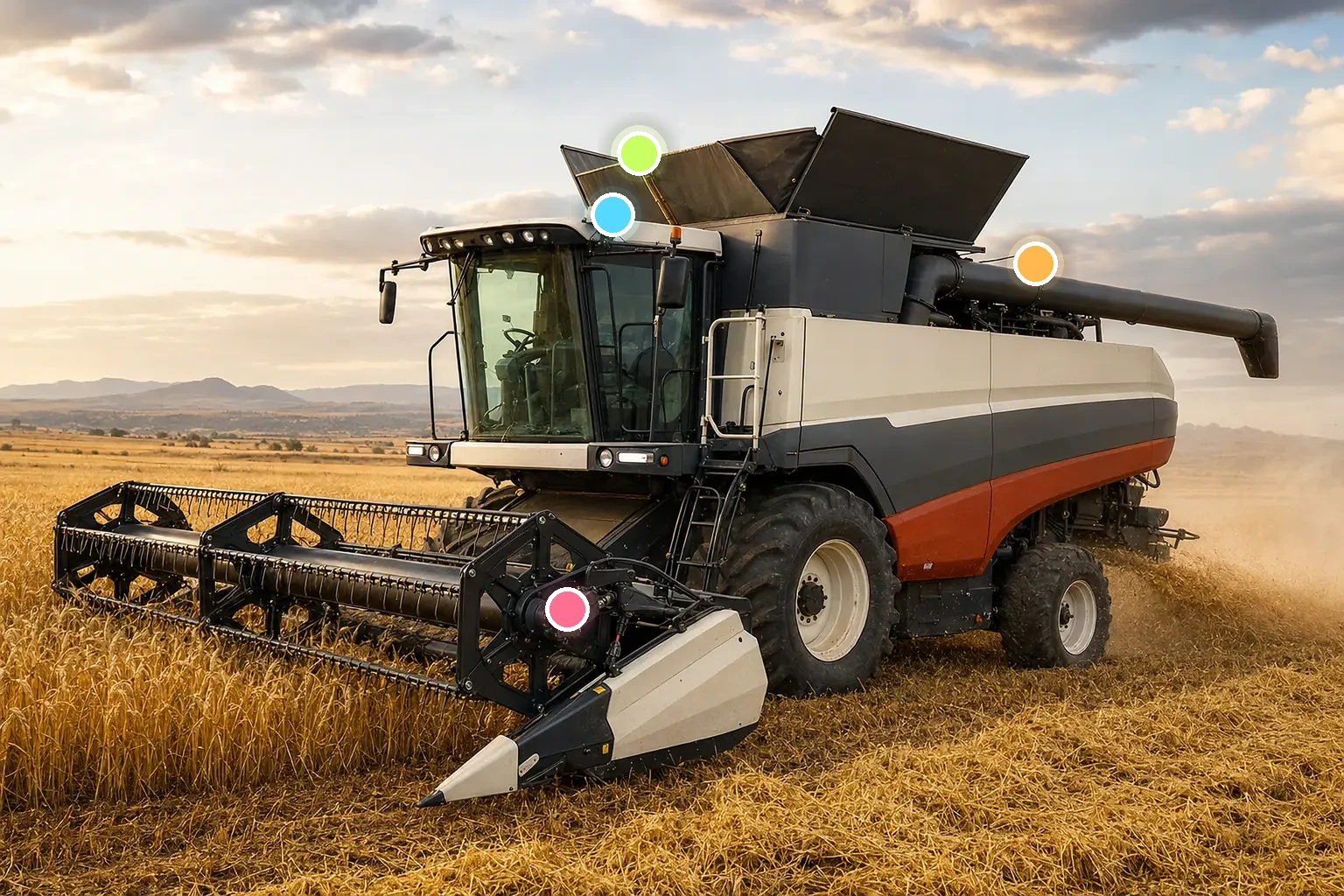
A combine can be moving while management still lacks the information that matters: what area was harvested, how much crop was collected, when discharge occurred and what fuel was consumed. Without matching those records, the true cost per tonne and profit per hectare remain unclear.
We combine location, mileage and fuel consumption with hopper level, discharge activity and mapped field-yield monitoring. The dashboard ties each harvest cycle to its field, time, output and fuel cost, creating a dependable productivity record instead of a movement-only report.
Wireless Axle Load Monitoring

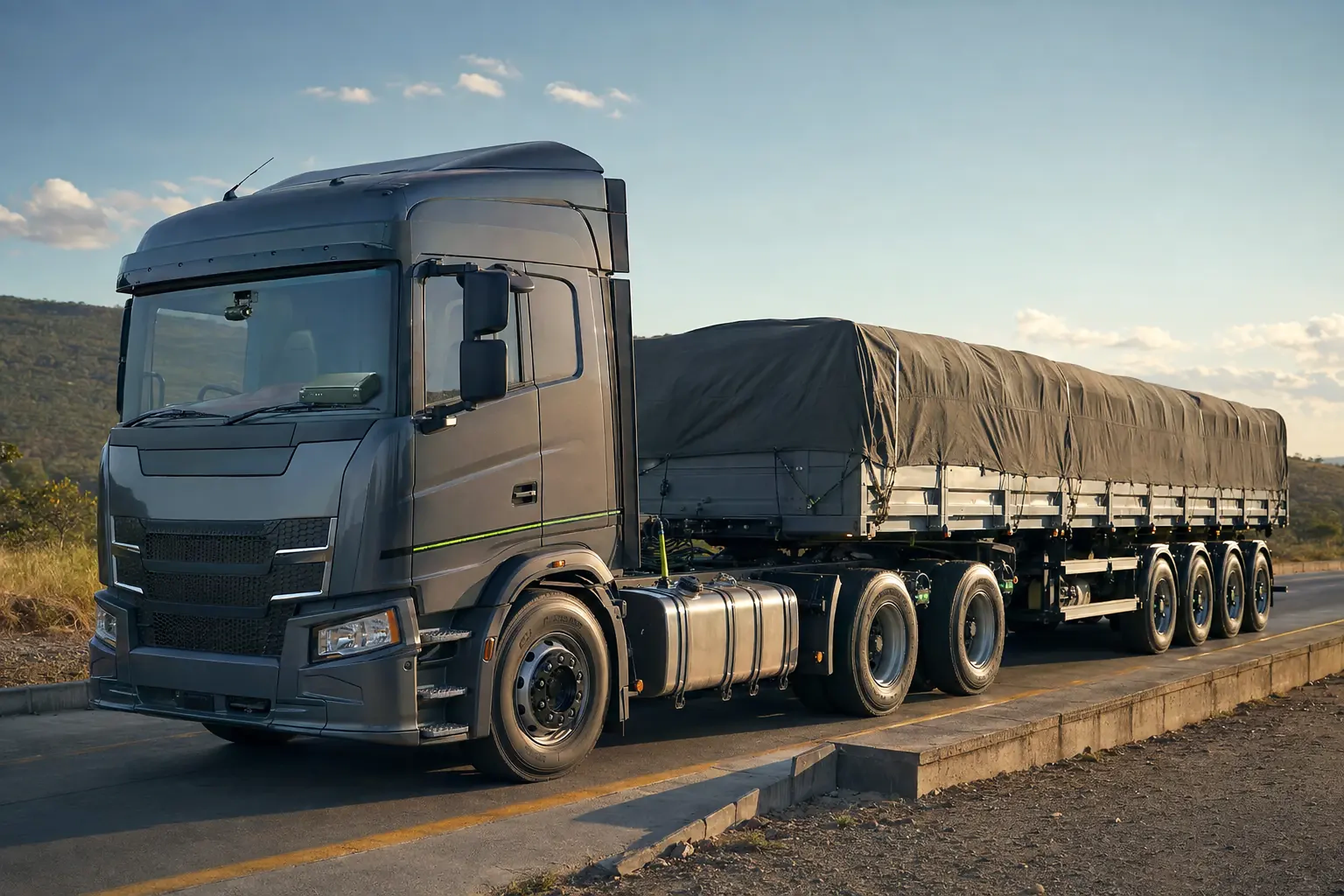
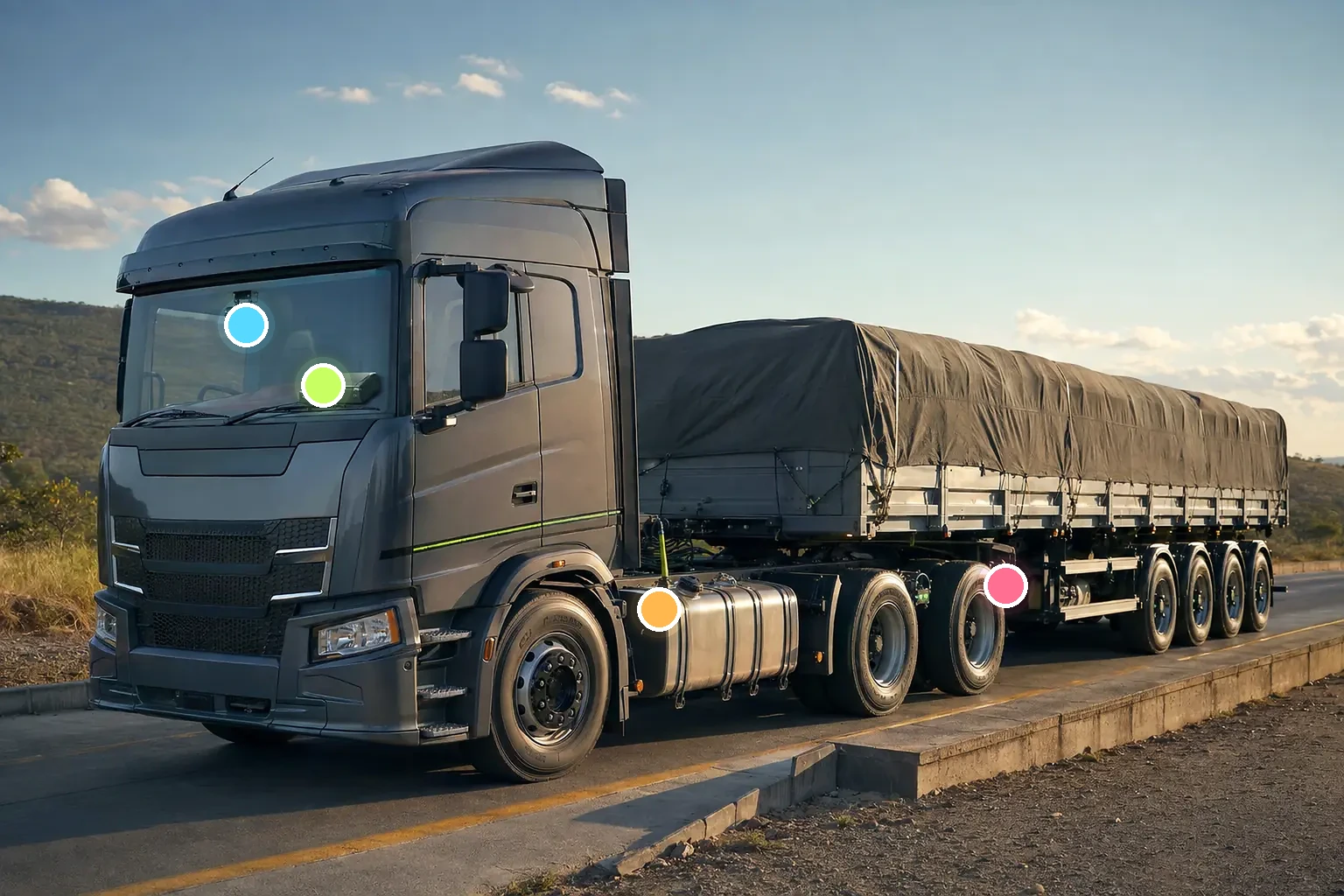
Protect profitability from the weighbridge to the warehouse. A truck can be within an estimated total weight while one axle remains dangerously overloaded. Without live axle distribution, operators face weighbridge fines, tyre and suspension damage, poor handling, unsafe loading and lost revenue from unrecorded tonnage.
For compatible suspension systems, compact wireless sensors measure load response at each axle and send the readings to an in-cab unit, driver display and telematics dashboard. Loading crews can see gross load and axle-by-axle distribution, then reduce or redistribute cargo before departure or before the truck reaches a weighbridge.
Auxiliary Engine Control & Rpm

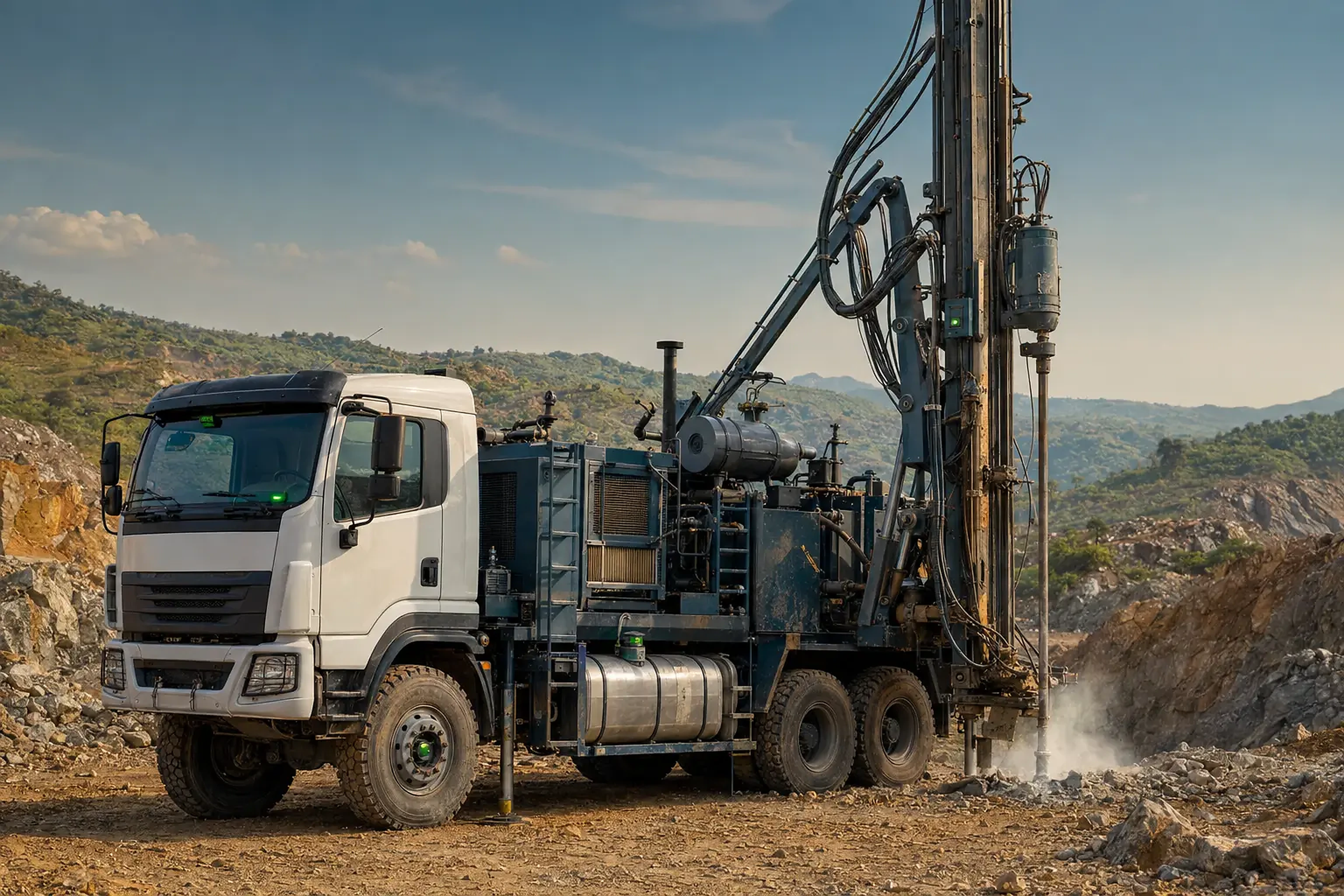
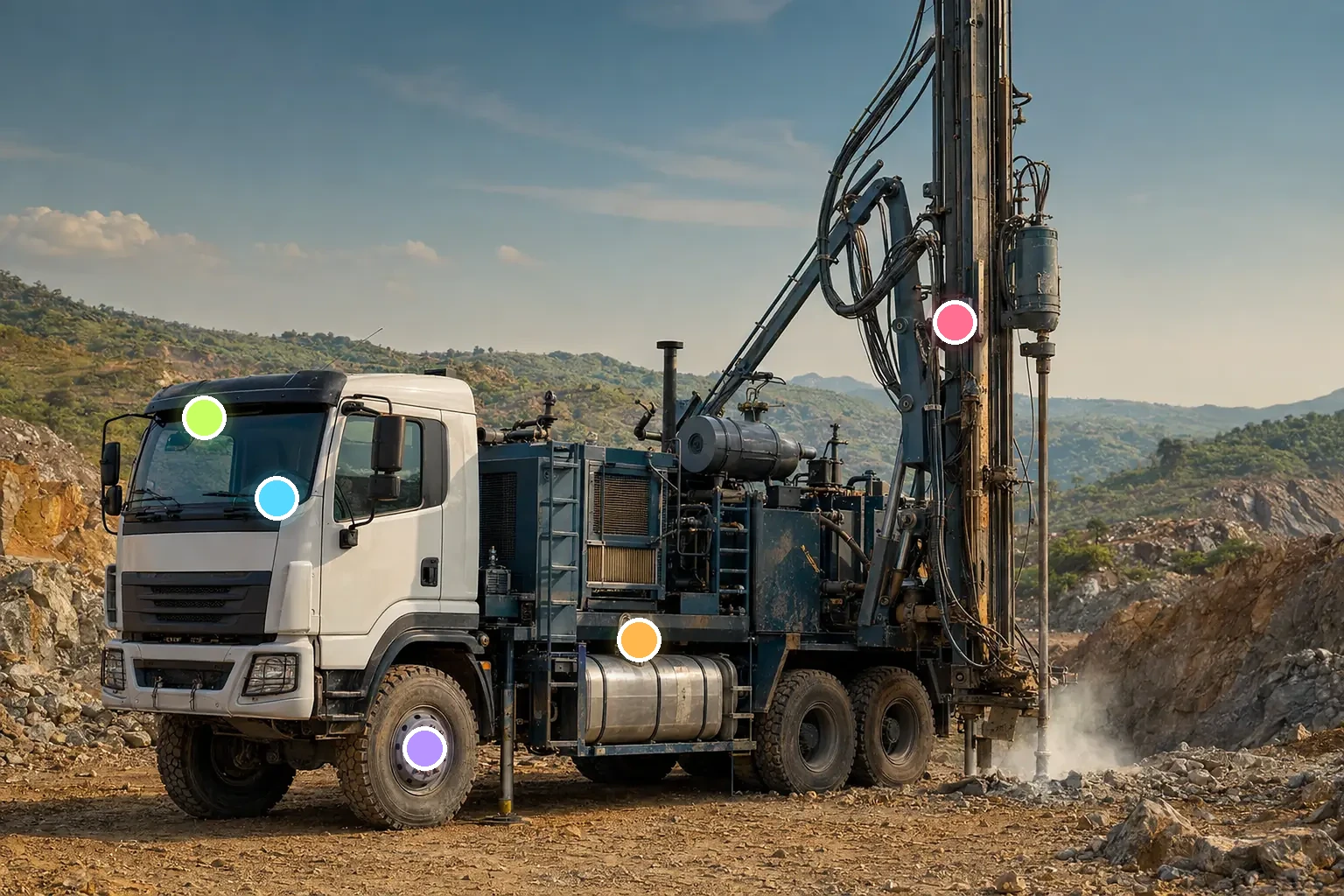
Remote drilling teams often manage high-value assets with delayed phone updates and handwritten reports. That makes it difficult to verify drill position, engine hours, fuel use, idle time and whether work happened at the assigned point—turning cost control and maintenance into a late reaction.
Our rugged remote-operations package combines GPS, fuel and working-state sensors to create a digital operating record for each rig. Managers can verify the drill location, distinguish productive activity from idling, compare fuel with engine hours and receive exception alerts without waiting for the asset to return to base.
Continuous Temperature Telematics

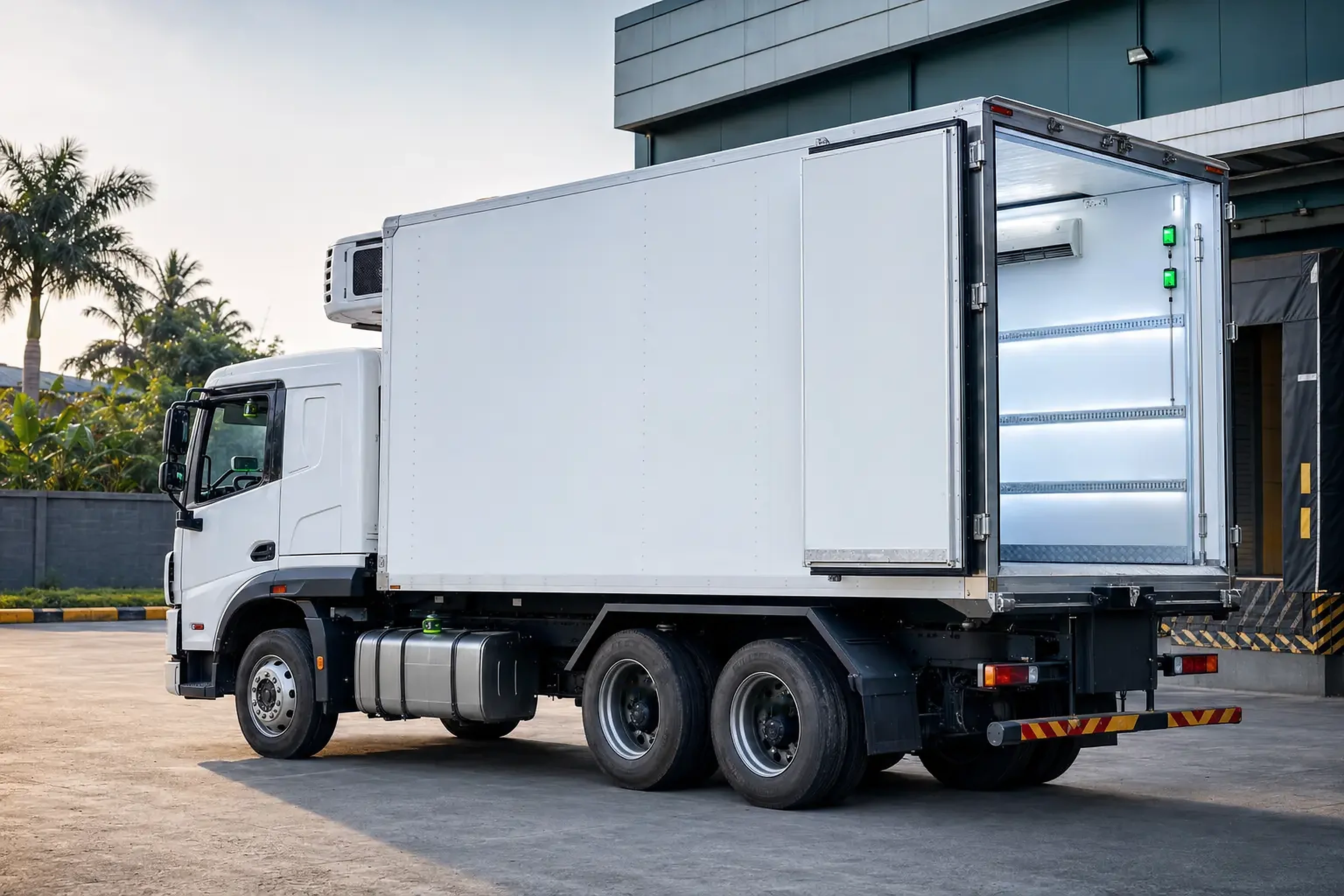
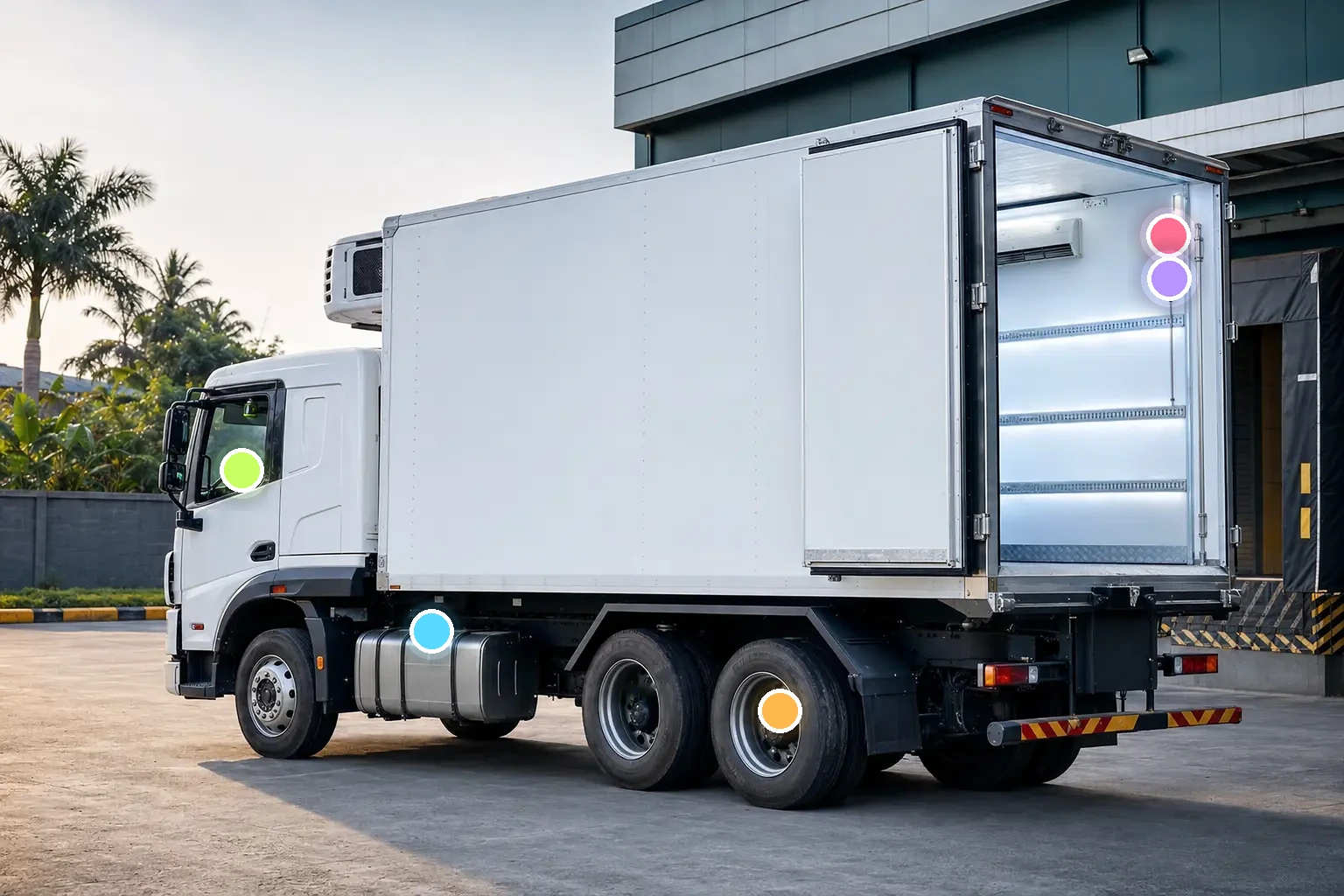
Cold-chain losses rarely begin at delivery; they begin when a temperature deviation, cooling failure or prolonged door opening goes unnoticed in transit. A single delayed alert can lead to spoiled cargo, rejected loads, compliance disputes and damage to the transporter’s reputation.
We create an unbroken digital record from origin to destination using GPS, live temperature sensors and door activity. Operators receive alerts as soon as readings leave the approved range, see how long the exception lasted and retain journey temperature logs for customers, audits and claims.
Heavy Equipment Machinery Audits

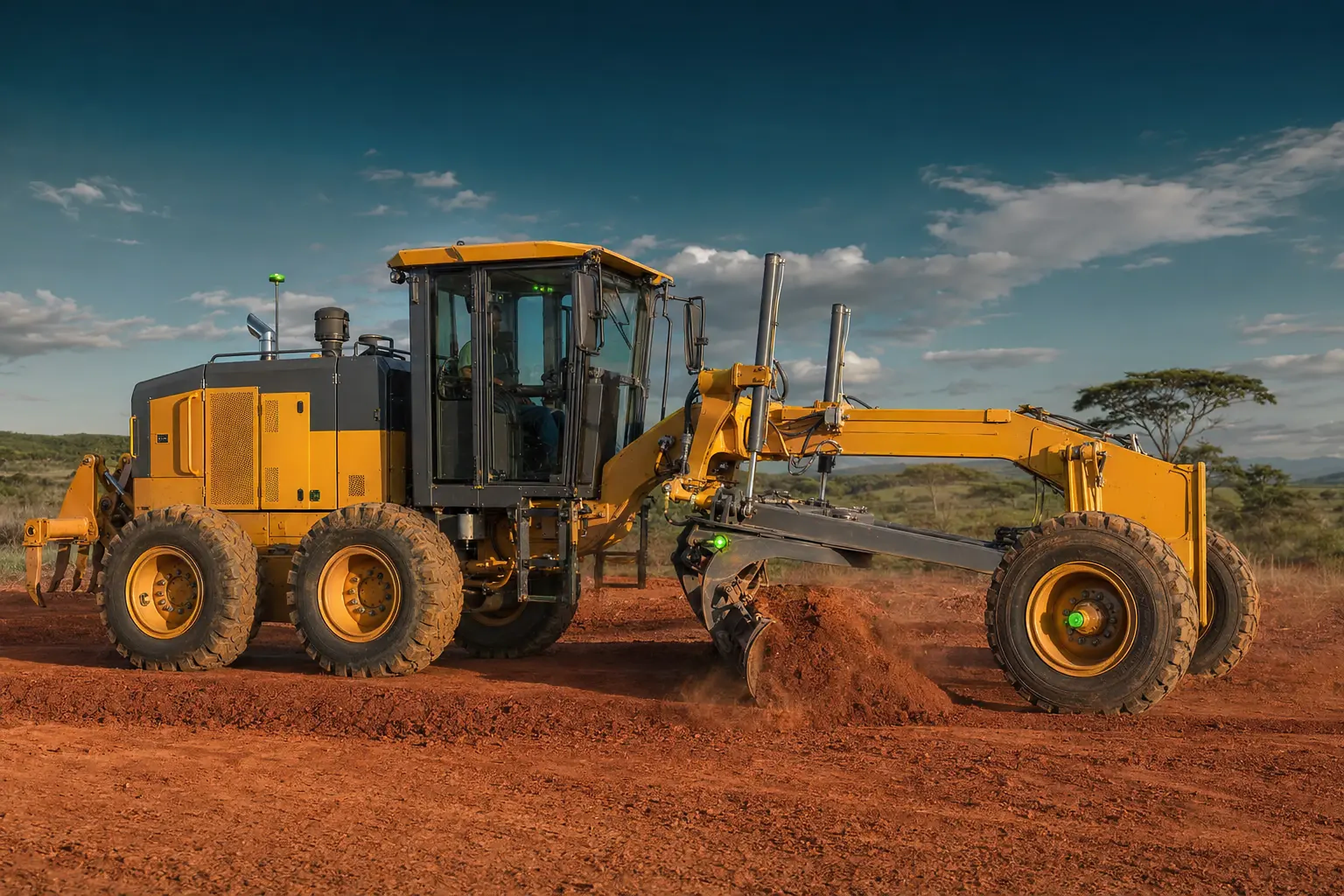
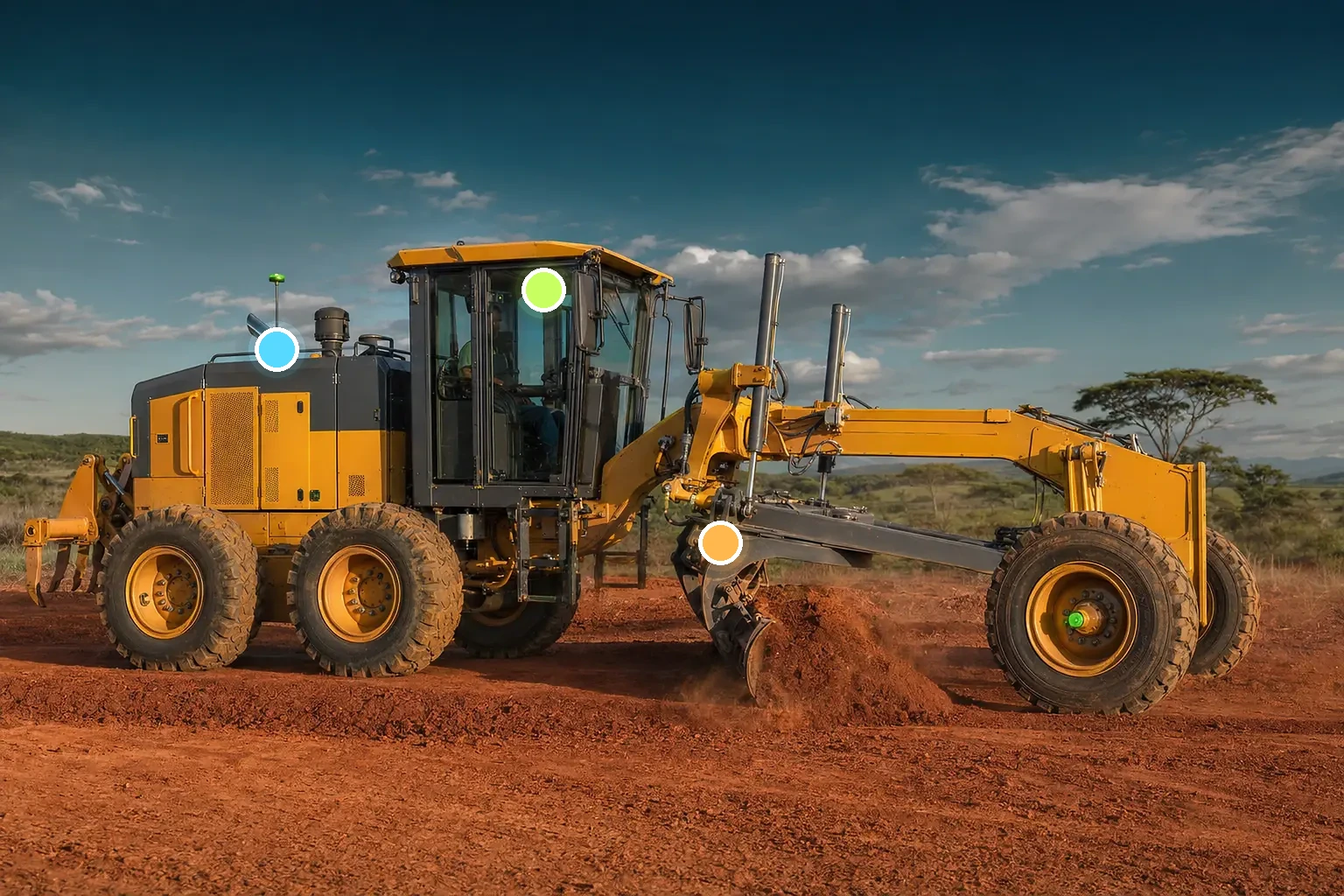
In road construction, engine hours alone cannot prove that grading took place. Managers need to know when the blade was working, when the machine only travelled, how far the assigned section was graded and whether fuel disappeared while the asset was idle or inactive.
Wireless tilt/angle, axle-rotation and fuel sensors verify blade position, wheel or axle movement, actual work time, distance graded and fuel consumed. GPS and geofenced reports then separate productive grading from transit and idling, with no dependence on manual operator logs.

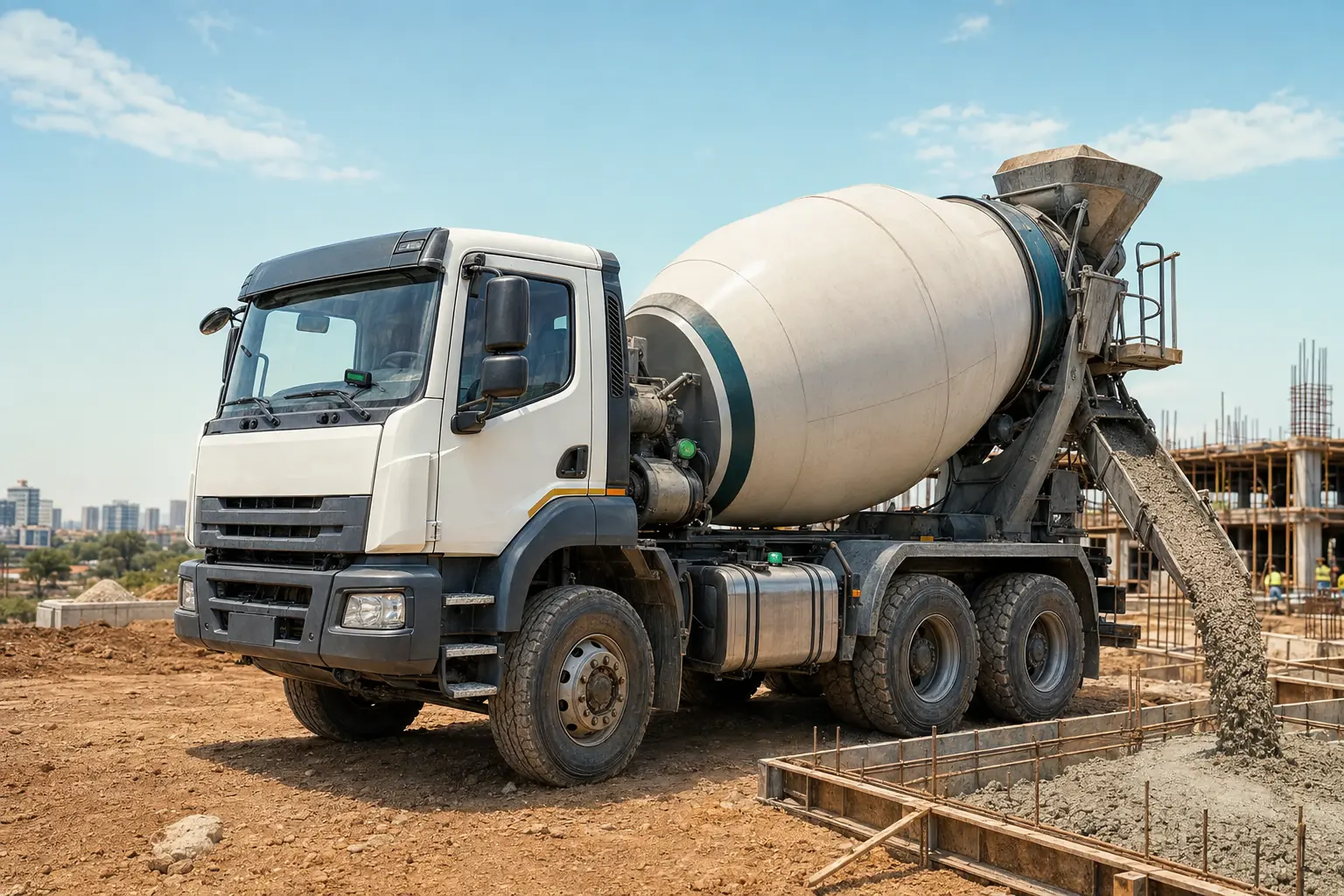
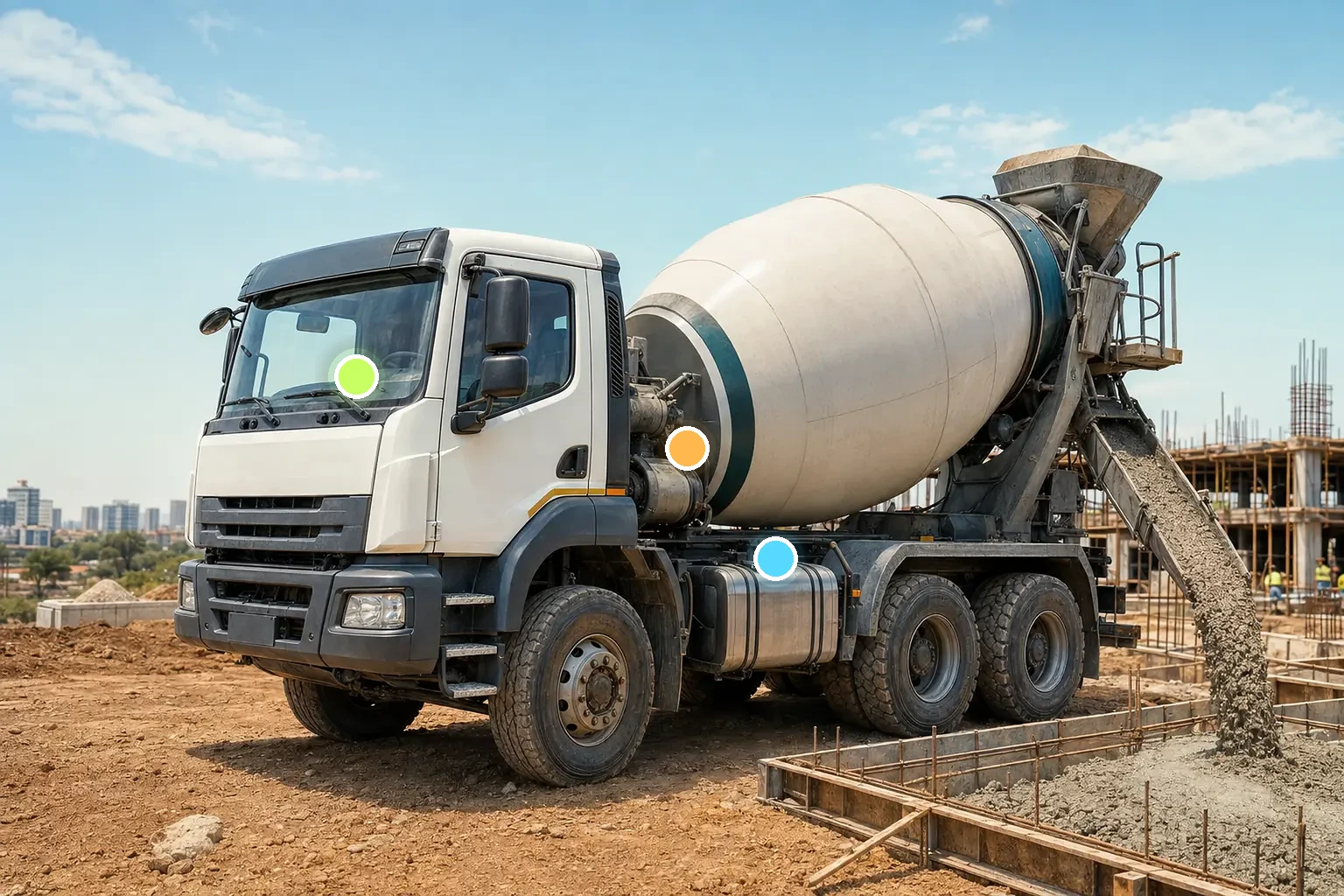
The arrival-versus-pour blind spot. GPS can show that a mixer reached site, but it cannot by itself prove whether the drum was mixing, when rotation changed for discharge or the exact time the pour began. Manual logs are often delayed or incomplete, weakening scheduling, billing and concrete-quality records.
We pair a wireless fuel sensor with a rotational sensor positioned at the mixer drum or drive assembly. The system records fuel used, drum rotation, direction, active mixing time and discharge activity, then links every cycle to its GPS location and timestamp—without driver input.

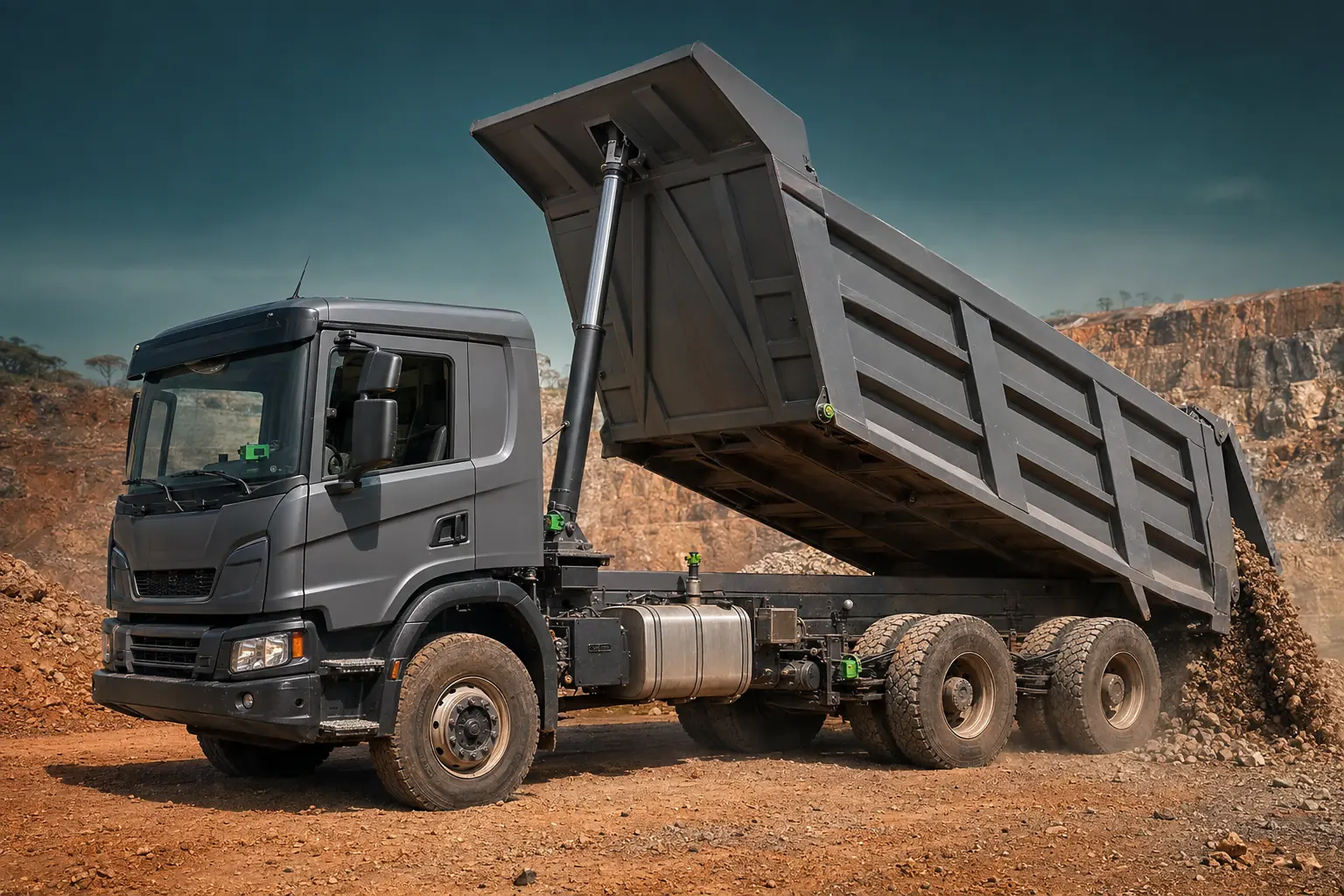
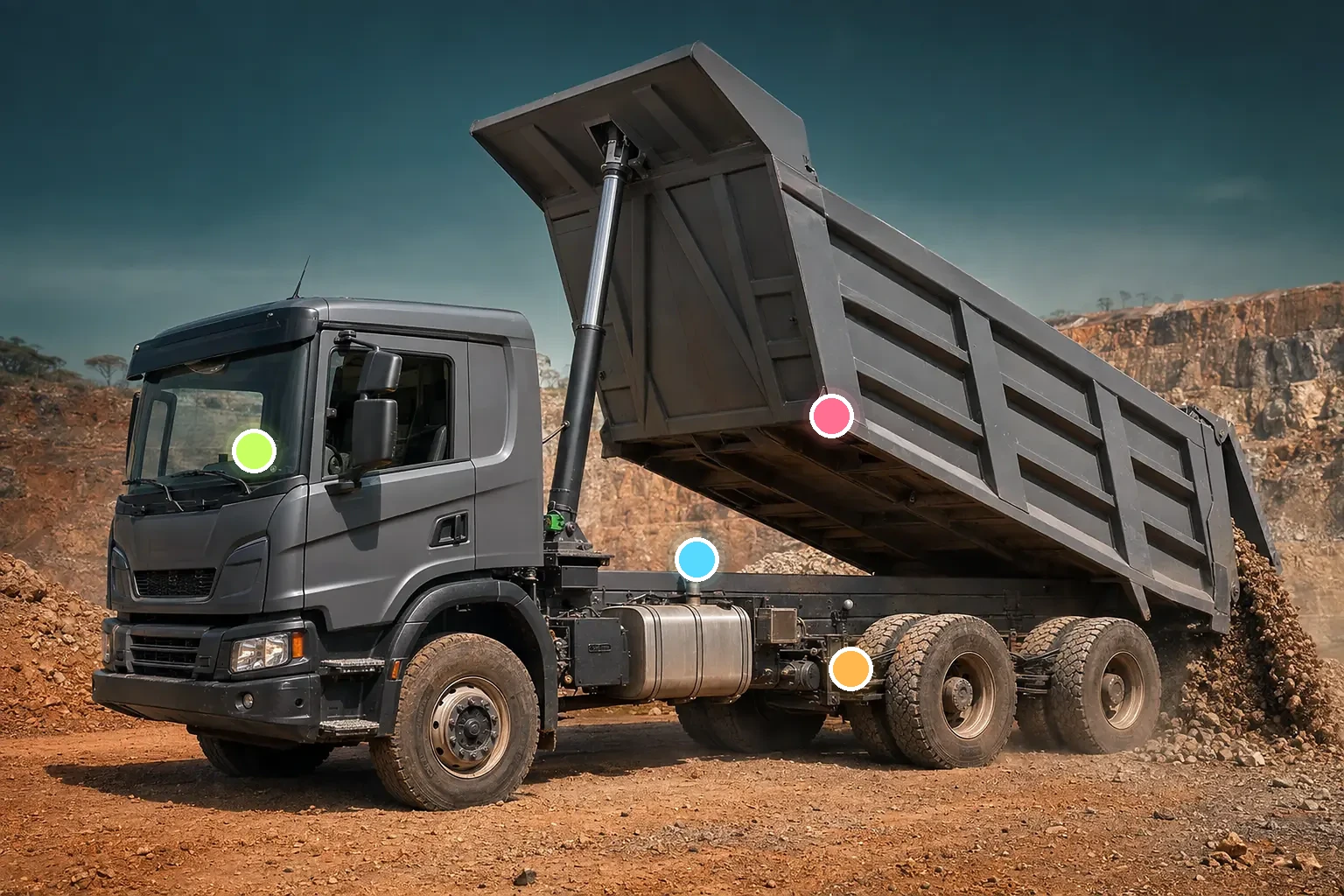
Dump-truck operators face a connected set of losses: fuel siphoning, material diverted before delivery, illegal overloading and no objective proof of where or when the bed was raised. Manual trip sheets rarely show whether the full load reached the authorised customer or project zone.
Wireless tilt, axle-load and fuel sensors act as a digital supervisor. The system records each bed movement, maps authorised and unauthorised offloads, compares load before and after delivery and correlates the event with fuel, route and GPS activity.

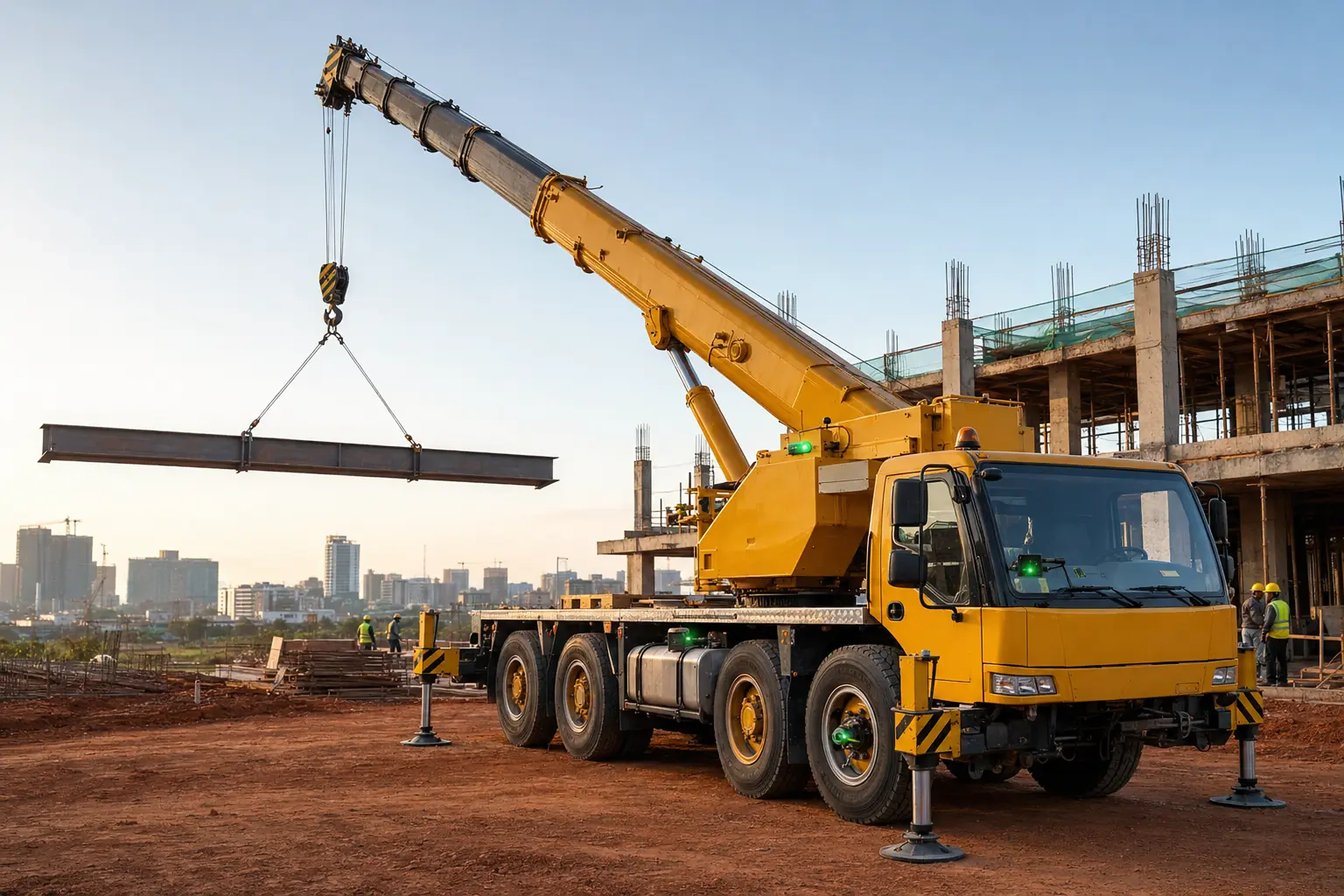
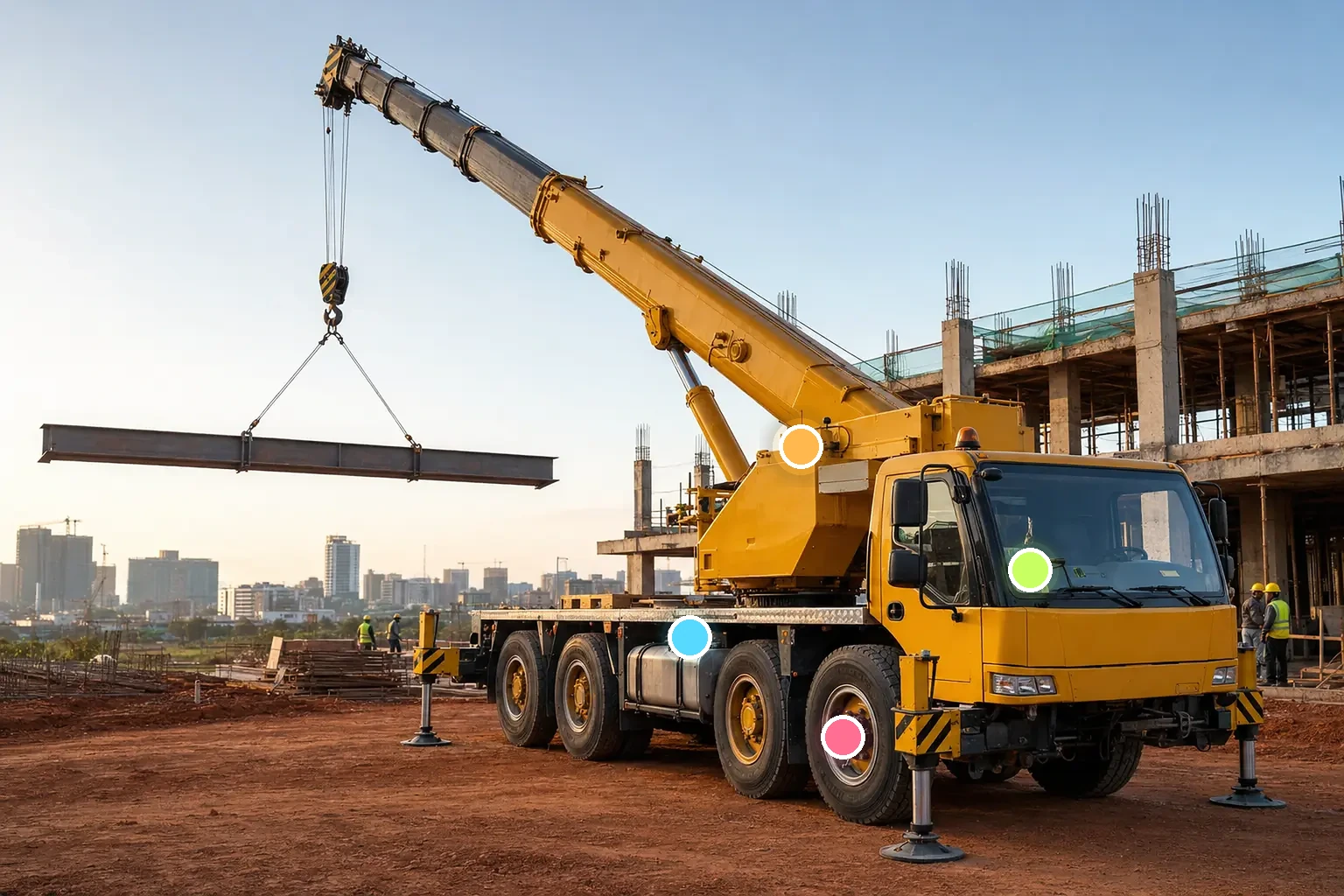
Heavy cranes earn revenue only when their work is recorded accurately and performed safely. Unlogged lifting time, operator guesswork, fuel shrinkage, excessive idling, unsafe boom angles and delayed maintenance can reduce billable income while increasing accident and liability exposure.
Smart crane telematics records engine and lifting activity, fuel use, boom angle, load events, outrigger status and configured safety thresholds. Tamper-resistant time-and-location logs support accurate billing, proactive maintenance, operator coaching and evidence when site or accident disputes arise.
Static Diesel Performance Logs

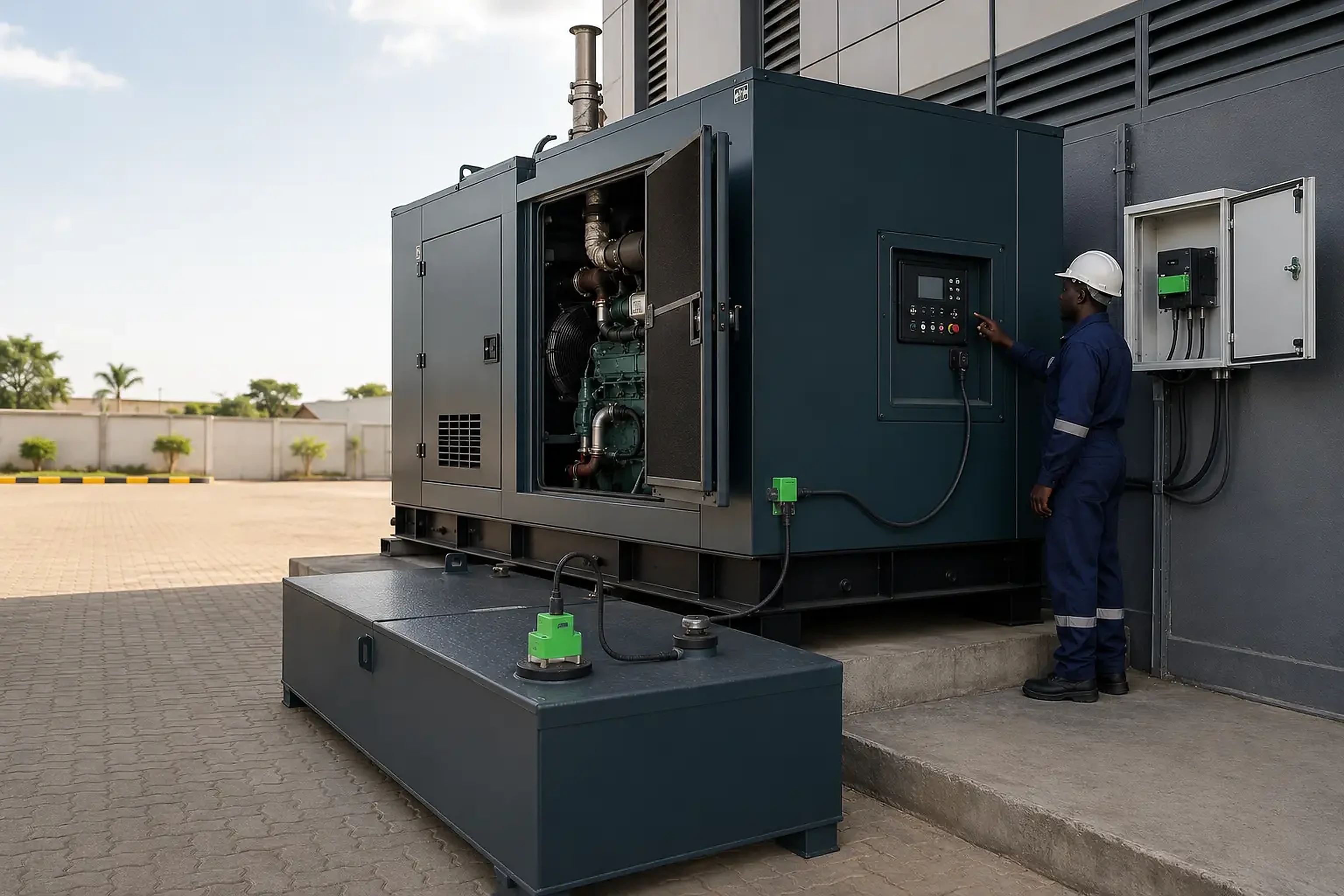
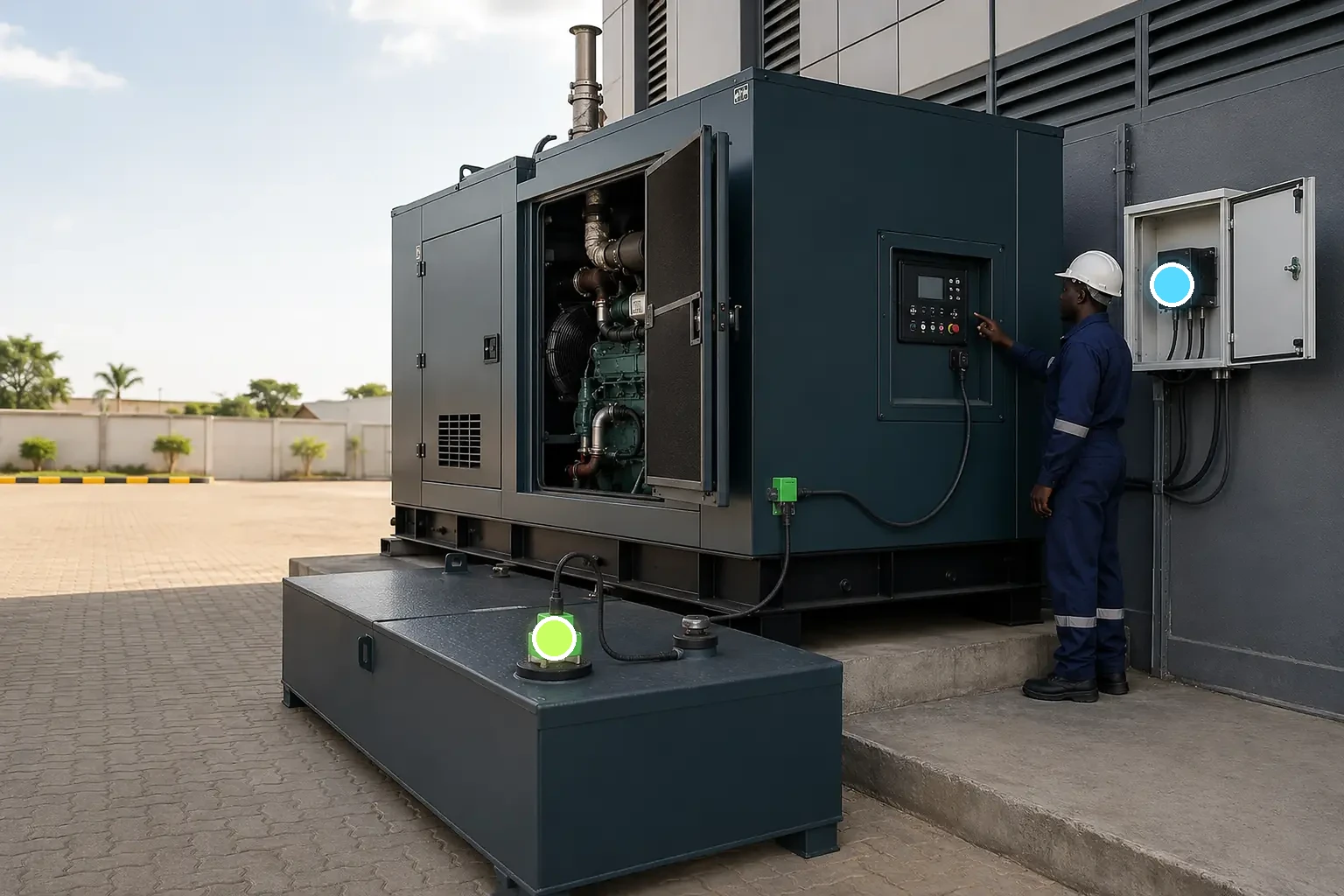
Remote and standby generators are often checked on a schedule rather than when attention is actually needed. Between visits, fuel can disappear, refills can be misstated, power can become unstable and maintenance hours can pass unnoticed—only becoming visible when backup power is urgently required.
Fuel-level and operating sensors send fuel, runtime, power status and supported engine data to one dashboard. Managers receive low-level, sudden-drop or malfunction alerts, verify the amount added during refilling and schedule maintenance using actual run hours rather than estimates.
Bulk Liquid Reserve Telemetry

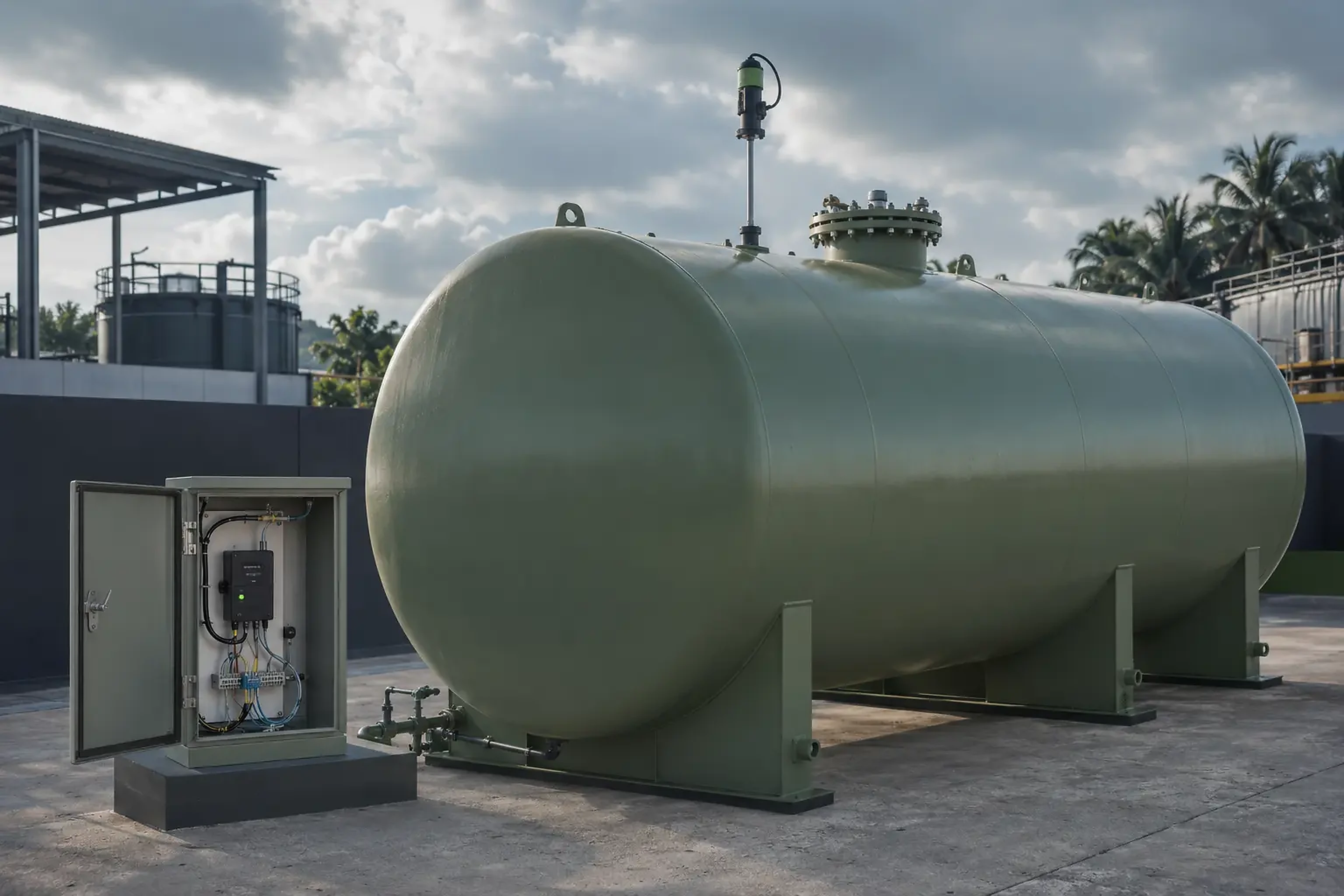
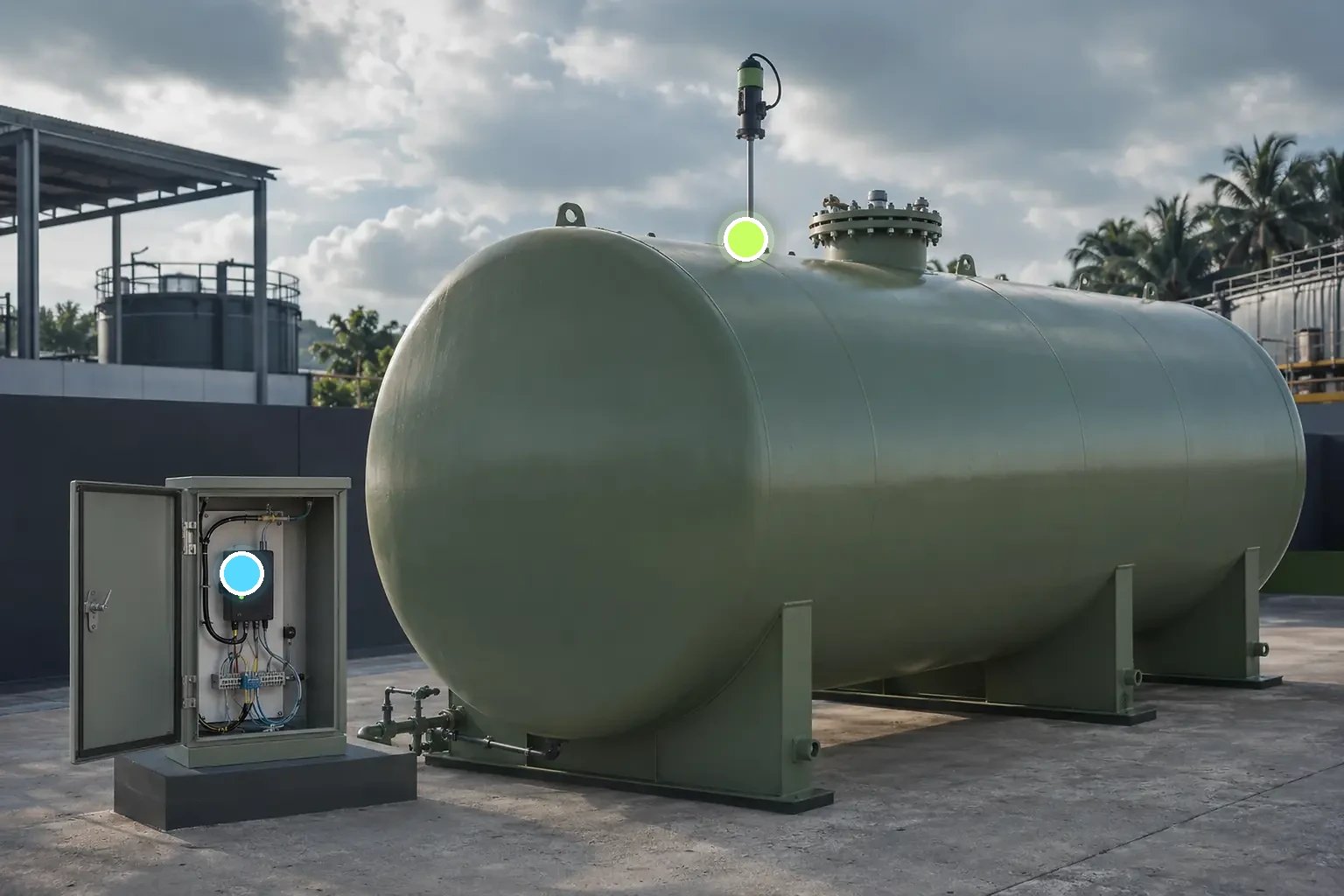
Dispersed stationary tanks are difficult to control with occasional dip-stick readings and paper issue records. Manual measurement is slow, error-prone and can leave theft, leaks, low stock, irregular dispensing or an inaccurate refill quantity undiscovered until operations are interrupted.
Remote level monitoring converts each tank reading into live volume, refill, dispensing and consumption data on one central dashboard. Managers receive sudden-loss and low-stock alerts, compare sites, verify deliveries and schedule replenishment before generators or machinery run short.
Anti-Theft & Active Mobilization

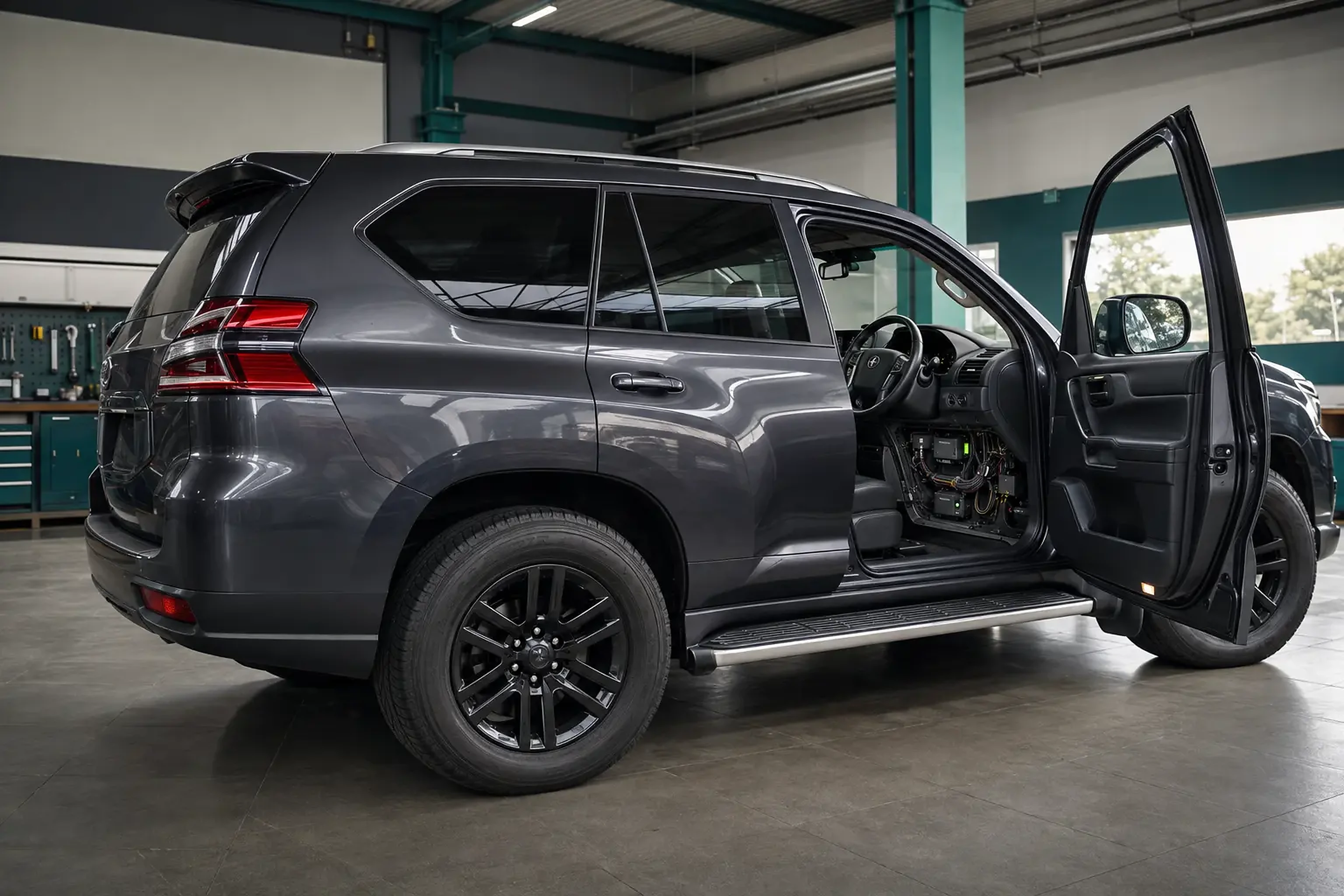
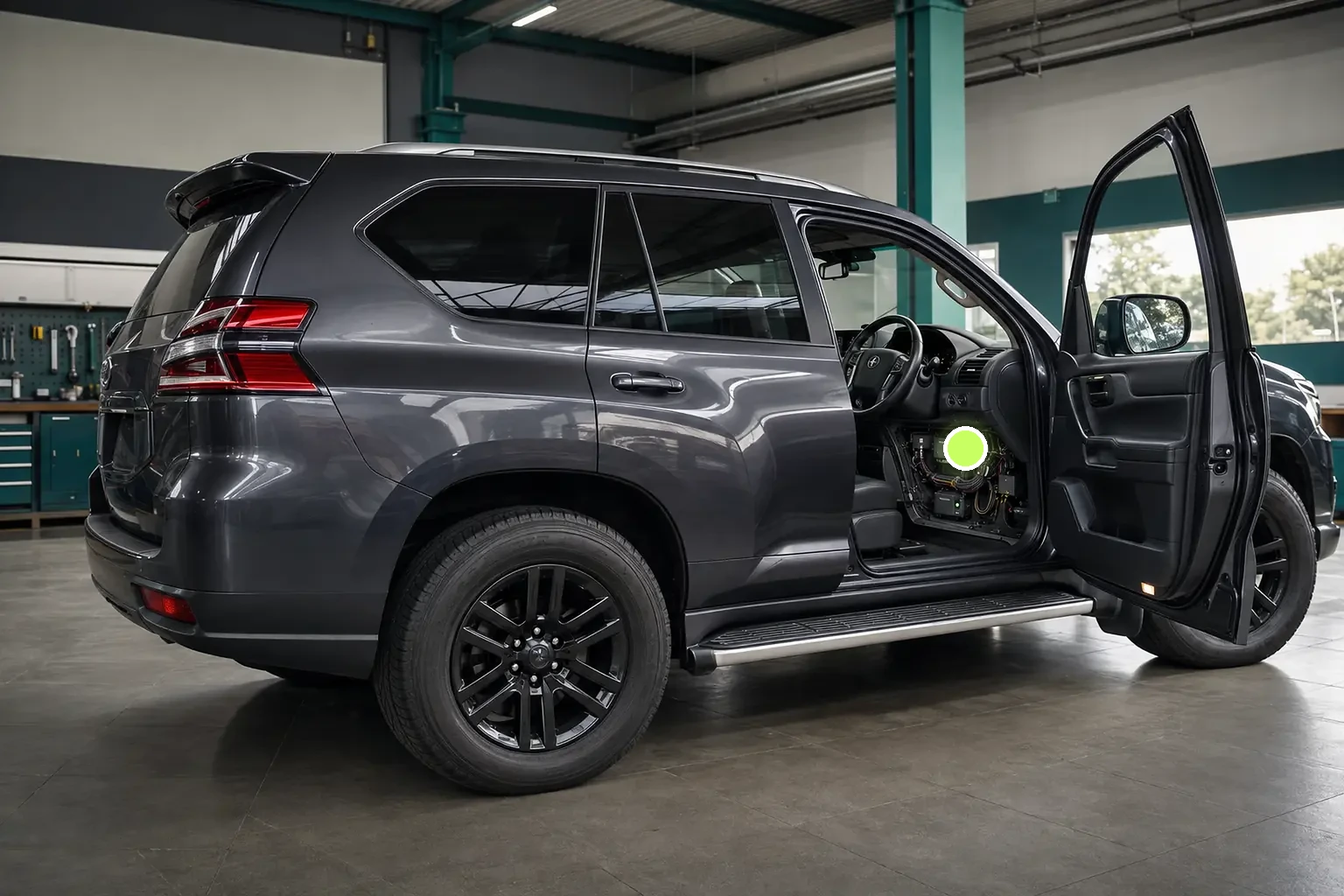
A factory alarm may make noise but still leave an owner without the vehicle’s live location or a reliable recovery record. Unauthorised movement, towing, power disconnection, geofence breaches and attempts to disable tracking can occur before the owner or fleet manager knows where to respond.
We install hidden GPS trackers with backup power, movement and tamper alerts, geofence protection and professionally configured engine-control options. Authorised users can follow the vehicle’s location, review its route and coordinate a safer recovery response using live evidence.
Passenger Logs & Driver Safety

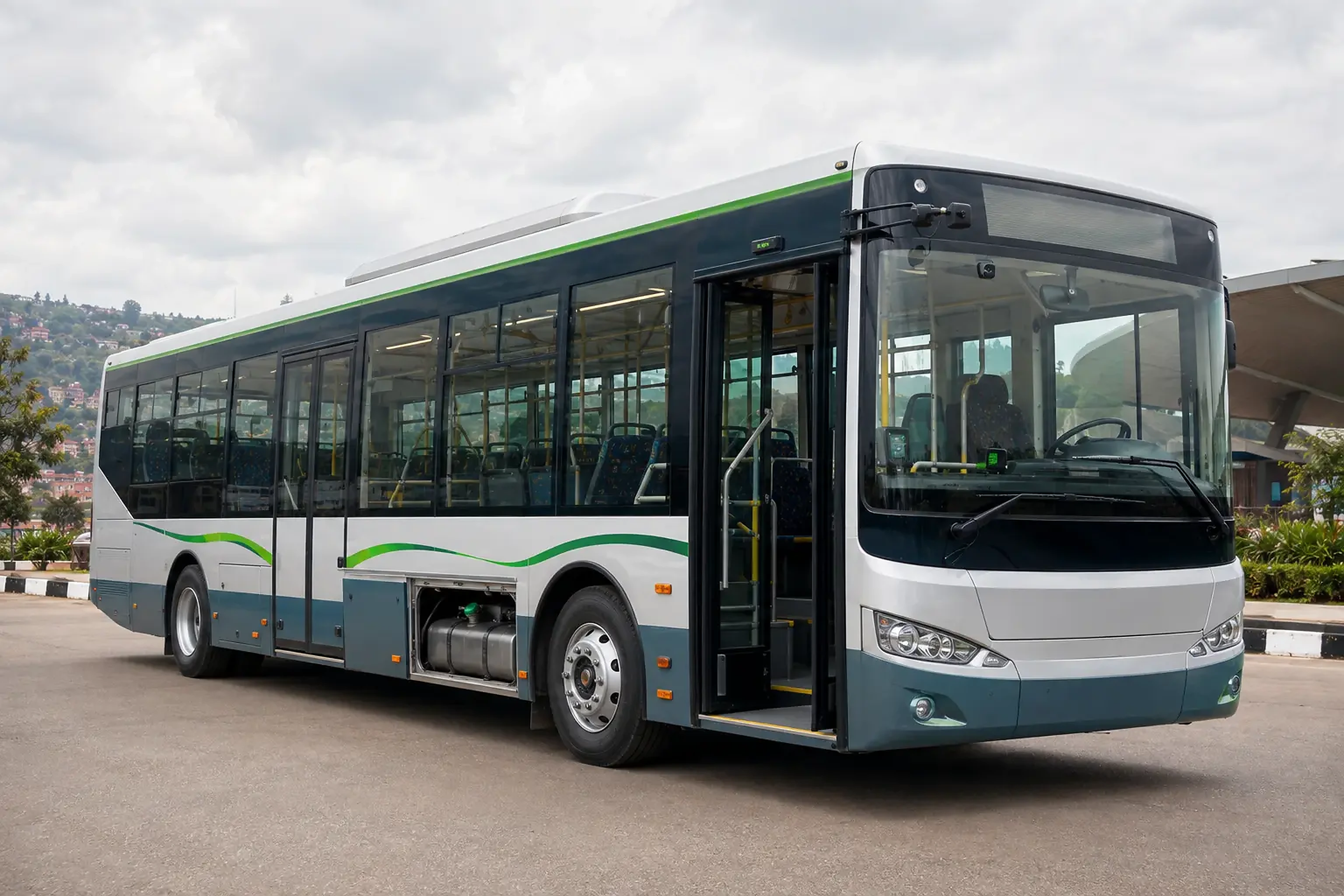
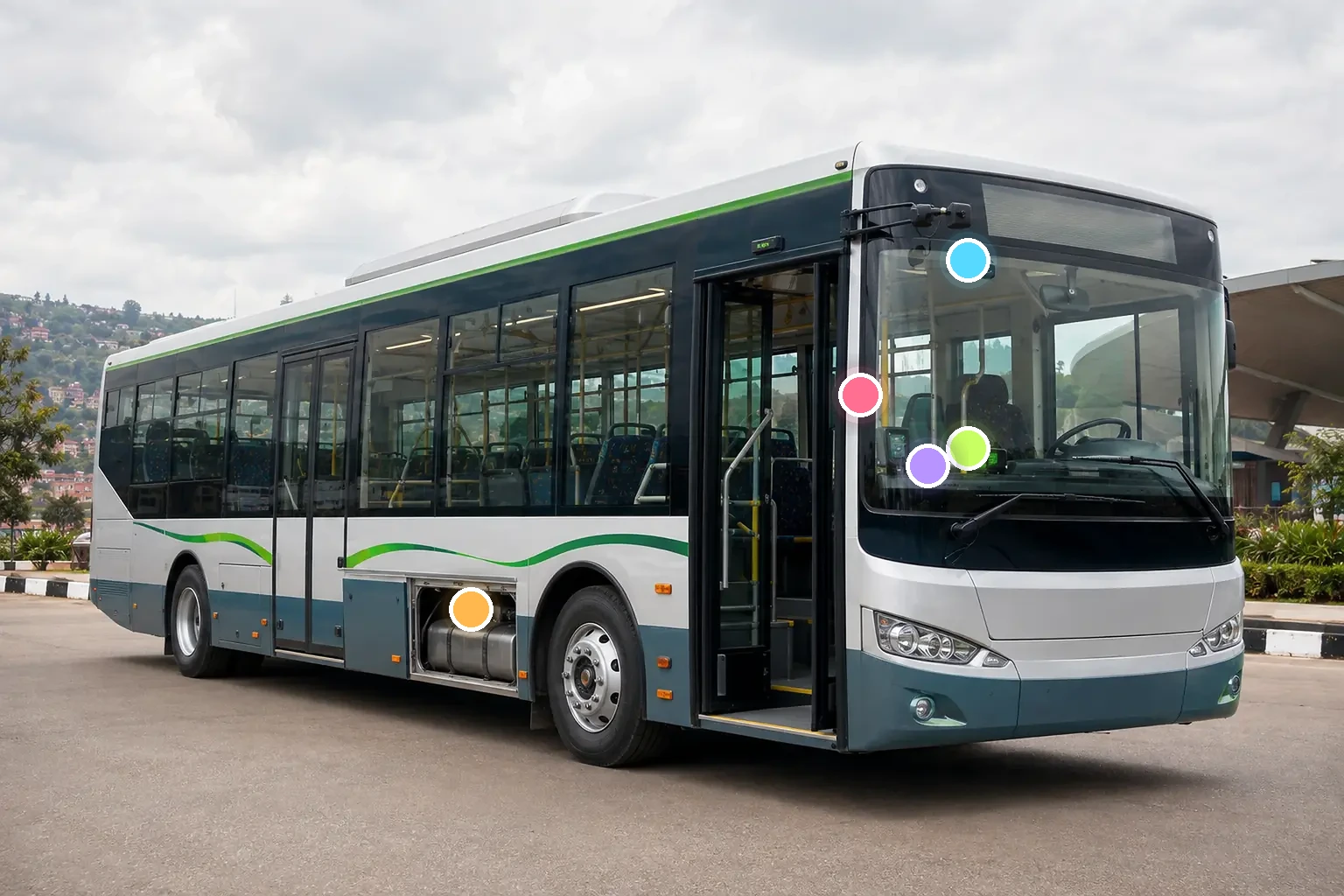
Passenger operations lose control when dispatch cannot prove route adherence, departure and arrival times, speeding, harsh driving or what happened inside the vehicle. Unscheduled detours, weak passenger records and delayed incident evidence can reduce revenue and damage customer confidence.
We integrate live route tracking, schedule and stop reporting, driver identification, safety scorecards, fuel monitoring and multi-camera video. Dispatchers can see delays or deviations as they happen, review risky behaviour and retain evidence for passenger, driver and incident management.